About Muzaffarpur District
Muzaffarpur district is one of the largest and most economically significant districts in northern Bihar. Situated in the fertile plains between the Gandak and Bagmati river systems, the district has long been recognized for its agricultural prosperity, particularly the cultivation of Shahi Litchi, which has received a Geographical Indication (GI) tag. Muzaffarpur is an important center for trade, education, healthcare, and transportation in the Tirhut region.
The district is known for its blend of urban growth and rural agricultural traditions. Bustling markets, historical temples, educational institutions, and fruit orchards give Muzaffarpur a distinctive identity within Bihar. It also plays a significant role in the state’s economy through agriculture, food processing, and wholesale trade.
History of Muzaffarpur
Muzaffarpur derives its name from Muzaffar Khan, a revenue officer during the Mughal period. The district was formally established by the British administration in 1875 and gradually developed into an important administrative and commercial center of north Bihar.
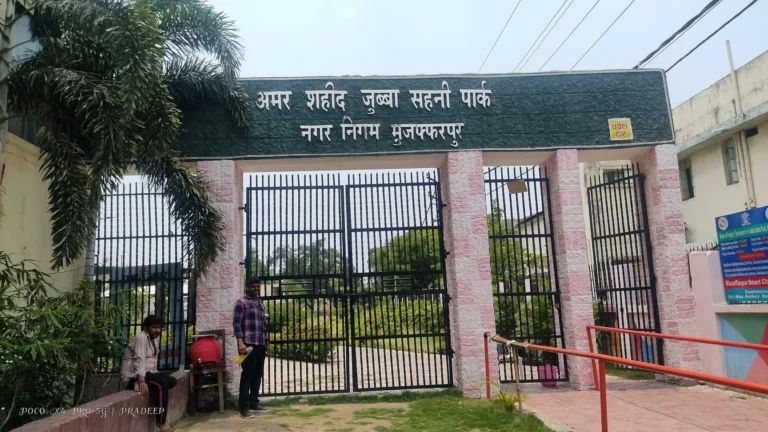
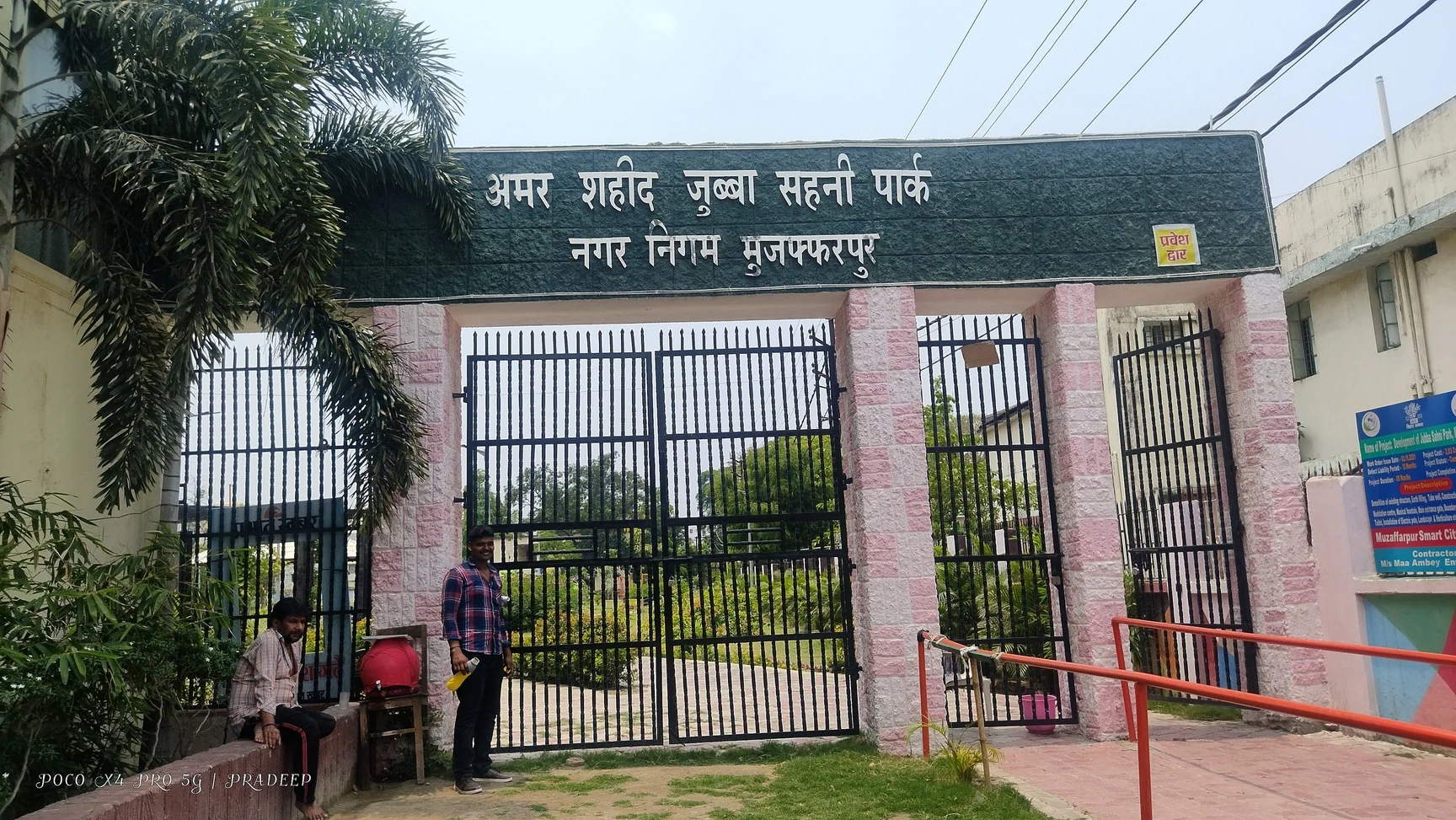
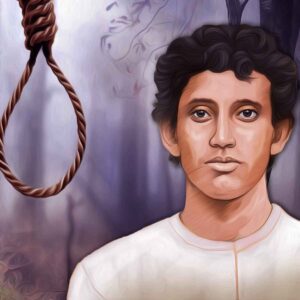
Historically, the region was closely associated with the ancient kingdom of Videha (Mithila), which was renowned for scholarship, philosophy, and cultural traditions. The district also played a notable role during India’s freedom movement. Revolutionary activities associated with Khudiram Bose, one of the youngest freedom fighters of India, are deeply connected with Muzaffarpur’s history.
Today, Muzaffarpur preserves this legacy through historical landmarks, educational institutions, and cultural celebrations that reflect both Mithila and Bajjika traditions.
Geography and Climate
Muzaffarpur district is located in the Tirhut Division of Bihar and is surrounded by the districts of Sitamarhi, Sheohar, Vaishali, Samastipur, Saran, and East Champaran. The district lies in the fertile alluvial plains of north Bihar, making it highly suitable for agriculture and horticulture.
The climate of Muzaffarpur is humid subtropical, characterized by:
- Summer (March–June): Warm and humid with temperatures reaching around 40°C.
- Monsoon (July–September): Heavy rainfall that supports agricultural production.
- Winter (October–February): Pleasant and cool, making it the ideal season for tourism and outdoor activities.
The district is traversed by rivers such as the Bagmati, Gandak, and Burhi Gandak, which enrich the soil but occasionally contribute to seasonal flooding.
Administration
Muzaffarpur district is administered by the District Magistrate (DM) and various state government departments responsible for governance, law and order, health, education, agriculture, and rural development. The district consists of several blocks, municipalities, and gram panchayats.
As one of the key districts of north Bihar, Muzaffarpur hosts important administrative offices, judicial institutions, and regional government departments that serve surrounding districts as well.
Economy and Industries
The economy of Muzaffarpur is driven primarily by agriculture and horticulture, with Shahi Litchi being the district’s most famous agricultural product. The district is one of India’s leading producers of premium-quality litchis, and the fruit is exported to various parts of the country and abroad.
Major economic sectors include:
- Litchi cultivation and processing
- Agriculture (rice, wheat, maize, and vegetables)
- Dairy farming
- Wholesale trade and retail markets
- Food processing industries
- Education and healthcare services
- Small-scale manufacturing
Muzaffarpur is also known for its active trading community and serves as a commercial gateway for many districts of north Bihar.
Education in Muzaffarpur
Muzaffarpur is an important educational center in Bihar and hosts several renowned institutions, including:
- Babasaheb Bhimrao Ambedkar Bihar University (BRABU)
- Shri Krishna Medical College and Hospital (SKMCH)
- Langat Singh College
- Government Engineering College, Muzaffarpur
- Various law, management, and teacher training institutions
Students from neighboring districts frequently come to Muzaffarpur for higher education, competitive exam preparation, and professional courses.
Culture and Festivals
Muzaffarpur reflects the rich cultural traditions of Mithila and Bajjika regions. The district celebrates major festivals with great enthusiasm, including:
- Chhath Puja
- Durga Puja
- Diwali
- Holi
- Sama-Chakeva
- Makar Sankranti
- Mahashivratri
Traditional folk music, Maithili and Bajjika songs, local fairs, and religious processions are integral parts of the district’s cultural life. Popular local foods include Litchi-based sweets, Thekua, Khaja, Sattu dishes, Pua, and traditional Bihari cuisine.
Transportation
Muzaffarpur district has excellent transportation connectivity across Bihar and eastern India.
Air Connectivity
Muzaffarpur Airport has limited operations, while Jay Prakash Narayan International Airport in Patna serves as the nearest major airport with regular domestic connections.
Rail Connectivity
Muzaffarpur Junction is one of the busiest railway stations in north Bihar and connects the district with Delhi, Kolkata, Mumbai, Guwahati, Patna, and other major cities.
Road Connectivity
National highways and state highways connect Muzaffarpur with Patna, Darbhanga, Sitamarhi, Motihari, and other important towns. The district has strong bus and road transport infrastructure.
Why Visit Muzaffarpur District?
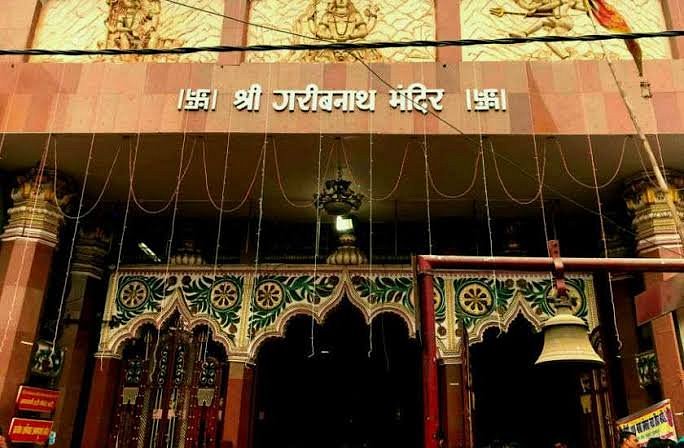
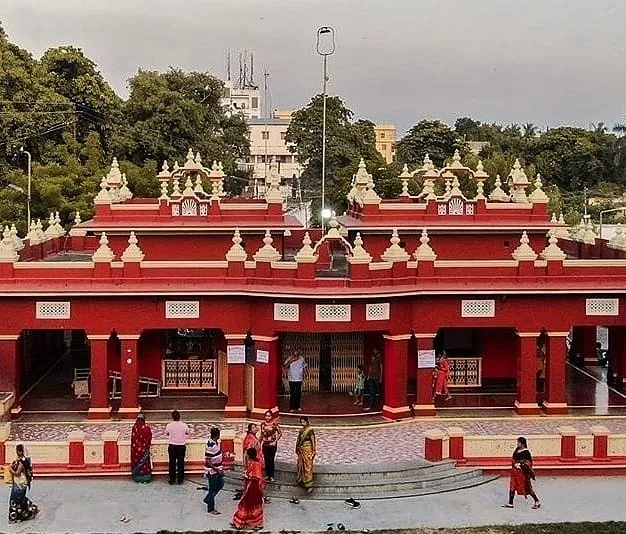
Muzaffarpur is a district where agriculture, culture, and history come together beautifully. Whether you want to experience the famous Shahi Litchi orchards, visit ancient temples, explore freedom movement heritage, or enjoy authentic north Bihari culture, Muzaffarpur offers a memorable and distinctive experience that reflects the true spirit of Tirhut.