About Darbhanga District
Darbhanga is located in the northern part of Bihar and is widely regarded as one of the important cultural centres of Mithilanchal. The district headquarters is Darbhanga city, while Laheriasarai forms an important administrative and urban part of the city. Darbhanga is also the headquarters of Darbhanga division, which includes Darbhanga, Madhubani and Samastipur.
The district covers approximately 2,279 square kilometres. According to the 2011 Census, Darbhanga had a population of 3,937,385, making it one of the more populous districts of Bihar.
Darbhanga’s identity is closely connected with Mithila culture. Maithili is one of the principal languages spoken in the region, while Hindi and Urdu are also widely used. The district has a long association with literature, Sanskrit learning, music, religious traditions and the intellectual history of Mithila.
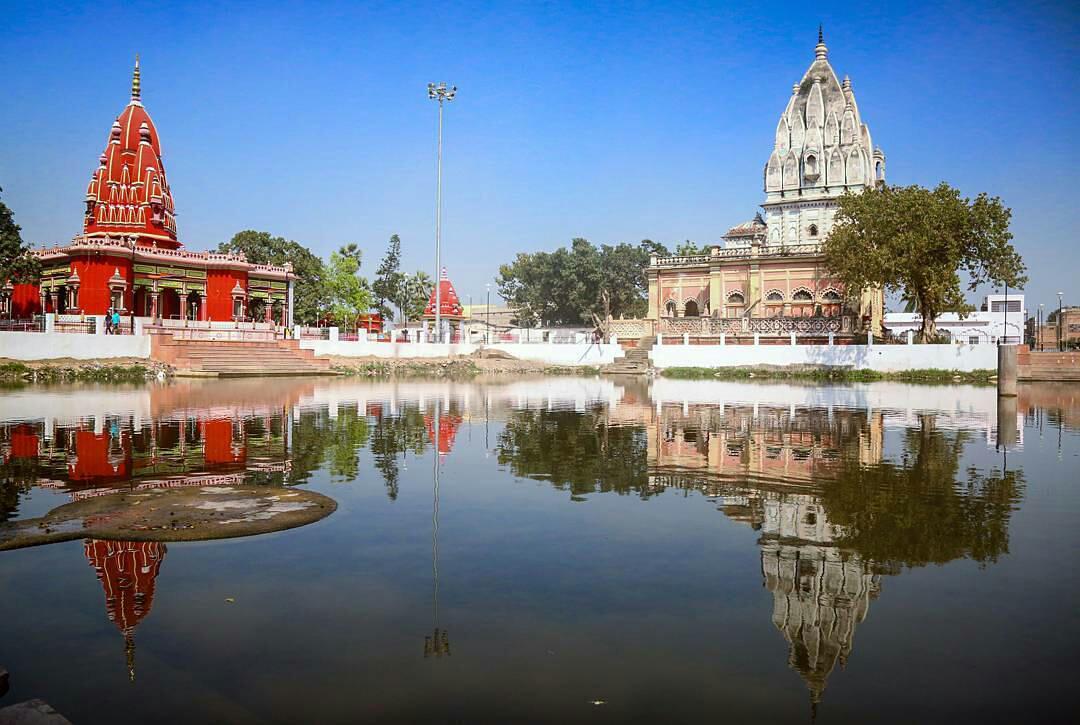
The district is particularly known for the legacy of the Darbhanga Raj. Several palaces, temples, ponds and heritage buildings associated with the royal family remain important landmarks of the city. Darbhanga is also home to major educational institutions, including Lalit Narayan Mithila University and Kameshwar Singh Darbhanga Sanskrit University.
History of Darbhanga
The history of Darbhanga is closely linked with the wider history of Mithila. During British rule, the region was part of Sarkar Tirhut. Darbhanga was constituted as a separate district in 1875. Earlier, Darbhanga Sadar, Madhubani and Samastipur had developed as separate administrative subdivisions.
Darbhanga later became part of the Tirhut administrative arrangement, with Muzaffarpur serving as the divisional headquarters. After the administrative reorganisation of Bihar in 1972, Madhubani and Samastipur were separated as independent districts, while Darbhanga continued as an important district and became the headquarters of the newly organised Darbhanga division.
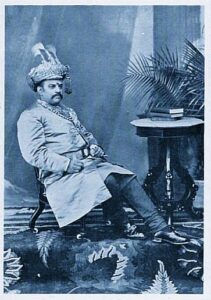
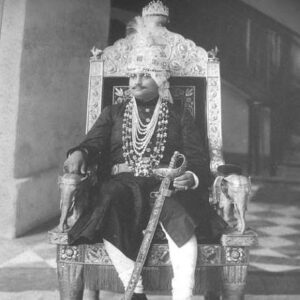
The history of the district is also strongly associated with the Darbhanga Raj. The royal family played an important role in supporting education, Sanskrit scholarship, literature, religious institutions and architecture. Many historic buildings and educational campuses in Darbhanga reflect this legacy.
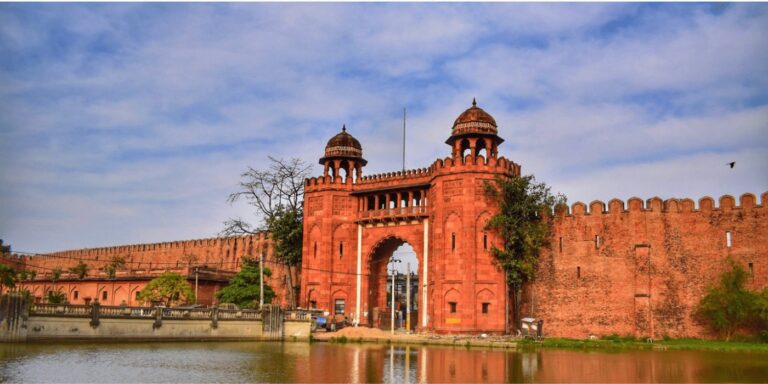
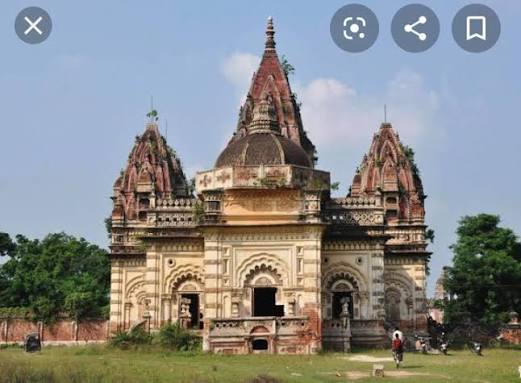
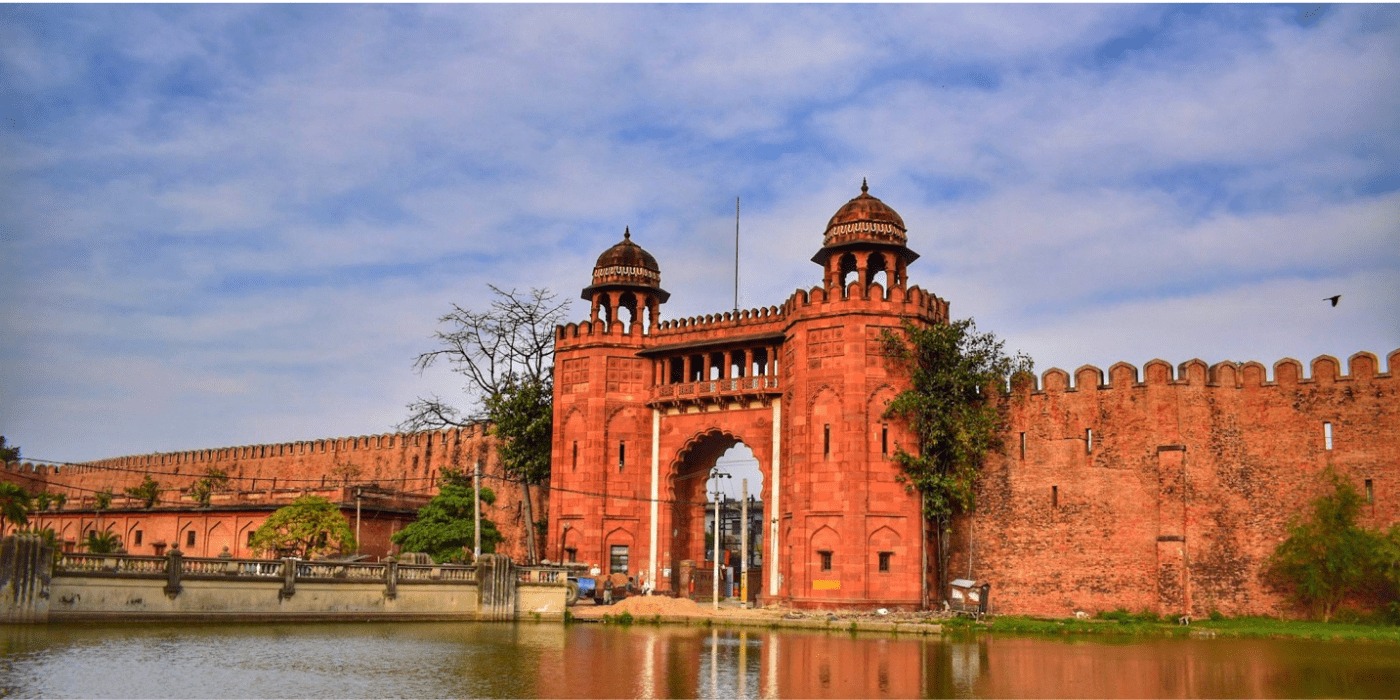
The city’s heritage includes Darbhanga Raj Qila, Nargauna Palace, Anand Bagh Palace, historic temples and museums. These sites provide an insight into the architectural and cultural history of the region.
Geography and Climate
Darbhanga lies in the plains of North Bihar and has a landscape shaped by rivers, wetlands, agricultural fields and settlements. The district is surrounded by Madhubani to the north, Samastipur to the south, Saharsa to the east, and Muzaffarpur and Sitamarhi towards the west.
The district’s geography is closely associated with the river systems and wetlands of North Bihar. Water bodies and low-lying areas become particularly important during the monsoon, while the wetlands around Kusheshwar Asthan provide habitat for migratory birds during winter.
Darbhanga experiences a humid subtropical climate. Summers are generally hot, the monsoon brings substantial rainfall, and winters are comparatively cool. For visitors, the period from October to March is generally more comfortable for exploring the district’s heritage and religious attractions.
Administration
Darbhanga is both a district headquarters and the headquarters of Darbhanga division. The district has three subdivisions: Darbhanga Sadar, Benipur and Biraul.
The district administration is headed by the District Magistrate, who oversees important areas such as administration, development, revenue, disaster management, elections and law and order.
As of the latest official district administration information available in July 2026, Shri Kaushal Kumar, IAS is serving as the District Magistrate of Darbhanga. The official district directory lists the District Magistrate’s office phone number as 06272-240200.
Culture and Heritage of Darbhanga
Darbhanga is often associated with the cultural heartland of Mithila. Maithili language, literature, music, traditional ceremonies and Mithila art form an important part of the district’s identity.
The region is also known for its long tradition of Sanskrit scholarship and learning. The patronage provided by the Darbhanga Raj helped establish educational and cultural institutions that continue to influence the city.
Mithila’s artistic traditions can be seen in local festivals, wedding customs, paintings, religious ceremonies and traditional food. Darbhanga’s cultural landscape also reflects the coexistence of different religious communities, with temples, mosques, churches and gurudwaras found across the district.
Festivals such as Chhath Puja, Durga Puja, Diwali, Holi, Navratri and local religious fairs are celebrated with enthusiasm. Shyama Mai celebrations are particularly associated with the cultural and religious life of Darbhanga.
Tourism in Darbhanga
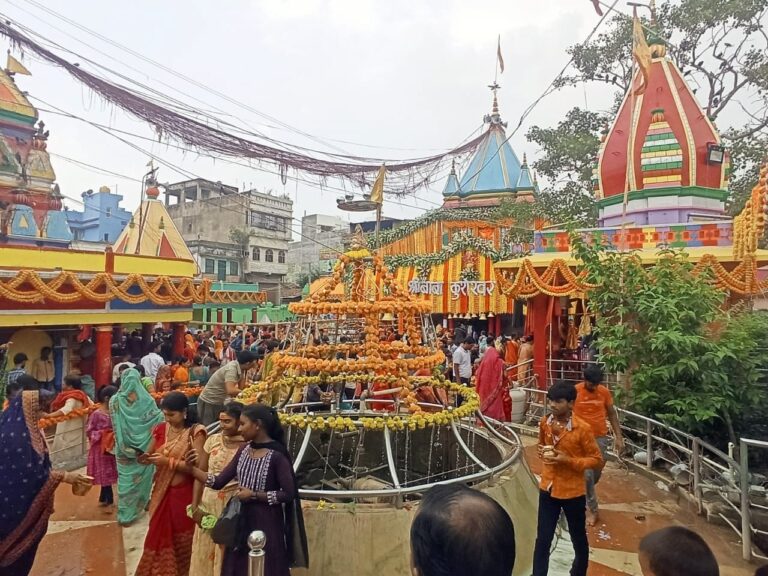
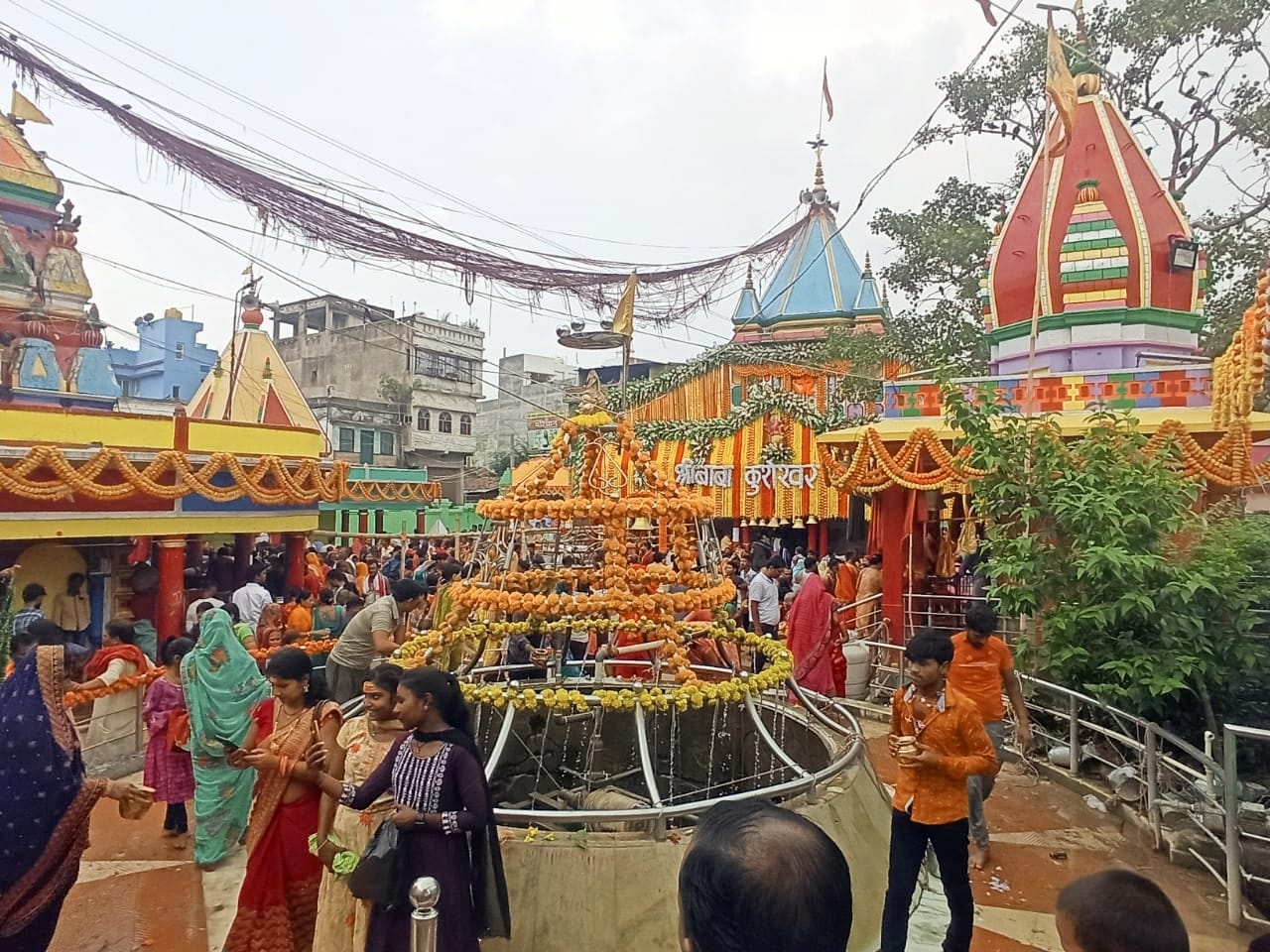
Darbhanga offers a combination of royal heritage, temples, museums, religious sites and natural wetlands. Visitors interested in Mithila culture can explore the city’s historic buildings and museums, while pilgrims can visit important temples such as Shyama Mai Temple and Kusheshwar Asthan.
Some of the notable attractions include:
- Darbhanga Raj Qila
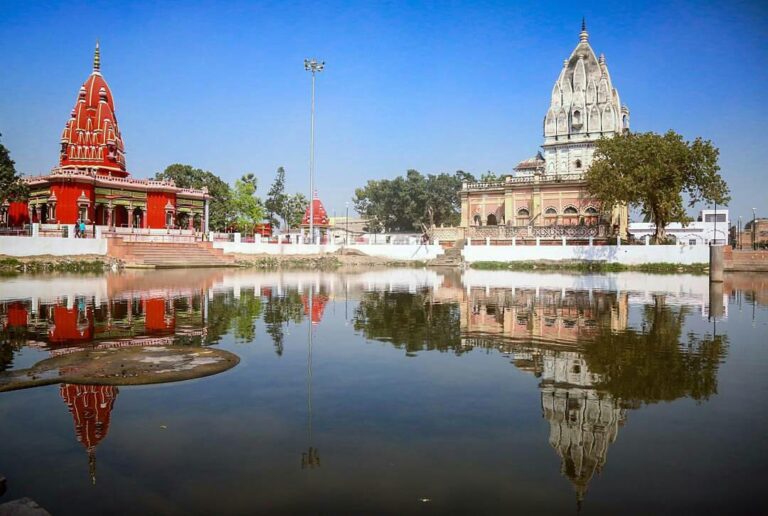
- Shyama Mai Temple
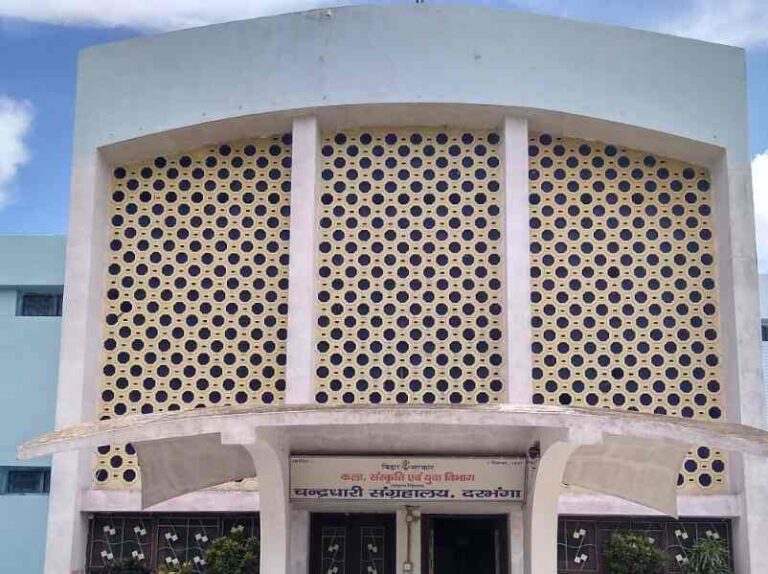
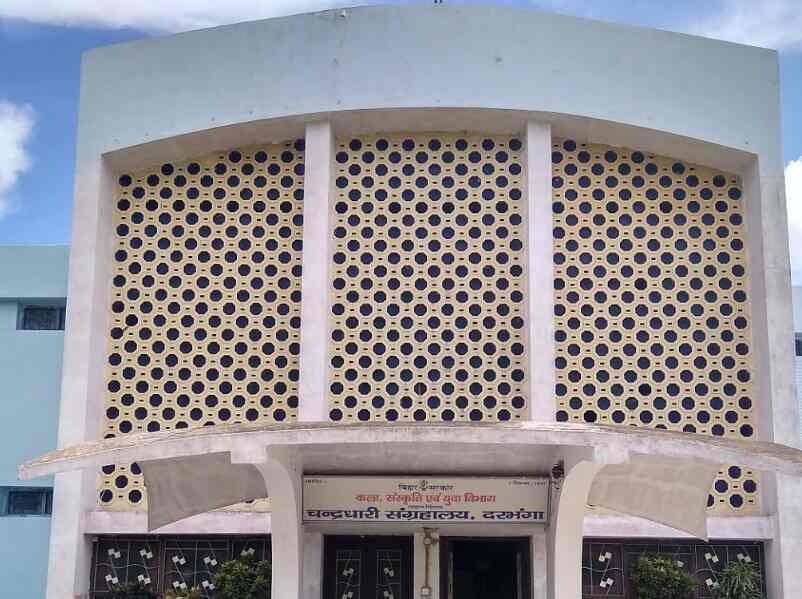
- Chandradhari Museum
- Maharaja Laxmeshwar Singh Museum
- Anand Bagh Palace
- Nargauna Palace
- Ahilya Asthan
- Kusheshwar Asthan
- Kusheshwar Asthan Bird Sanctuary
- Manokamna Temple
- Sati Asthan
- Holy Rosary Church
- Darbhanga Gurudwara
The official district tourism information identifies several of these locations as important places of interest, while Bihar Tourism highlights destinations such as Shyama Mai Temple and Kusheshwar Asthan.
Economy and Local Products
Agriculture remains an important part of life across rural Darbhanga. The fertile plains support farming and related activities, while the district also has a long tradition of local trade.
Darbhanga is particularly known for mangoes, fish and makhana. Makhana cultivation and processing are closely connected with the wider Mithila region and represent an important local economic activity.
The district’s urban economy is supported by trade, education, healthcare, transportation, small businesses and government services. Darbhanga’s position as an administrative and educational centre also contributes to the city’s commercial importance in North Bihar.
Education in Darbhanga
Darbhanga has developed into an important education centre for the Mithila region. The district is home to major universities and colleges serving students from Darbhanga and neighbouring districts.
Lalit Narayan Mithila University is one of the prominent higher-education institutions in the city. Darbhanga is also home to Kameshwar Singh Darbhanga Sanskrit University, which reflects the region’s historic association with Sanskrit learning.
The city also has institutions for medical, technical, general and professional education. This educational ecosystem makes Darbhanga an important destination for students from several parts of North Bihar.
Famous Food of Darbhanga
Food in Darbhanga reflects the wider culinary traditions of Mithila. Rice, seasonal vegetables, fish and dairy products feature prominently in local meals.
Some popular foods associated with the Mithila region include:
- Litti Chokha
- Makhana-based dishes
- Fish preparations
- Dahi and dairy-based foods
- Thekua
- Khaja
- Traditional Mithila vegetable dishes
- Seasonal sweets and snacks
Makhana is particularly significant in the food culture and economy of the region and is widely used in both traditional and modern recipes.
How to Reach Darbhanga
By Air
Darbhanga has its own airport, making air travel an important option for visitors from major Indian cities. The Darbhanga district administration states that the airport has been operational since November 8, 2020, with air connectivity to several major cities.
Nearest Airport: Darbhanga Airport
By Train
Darbhanga is an important railway centre in North Bihar. Darbhanga Junction provides rail connectivity to major cities, while Laheriasarai is another important railway station serving the district headquarters area.
Nearest Railway Station: Darbhanga Junction
By Road
Darbhanga is connected by road with Patna, Muzaffarpur, Madhubani, Samastipur, Sitamarhi and other parts of Bihar. Regular buses, shared vehicles, taxis and private transport are available for travel within the district and to nearby cities.
Nearest Bus Stand: Darbhanga Bus Stand
Best Time to Visit Darbhanga
The best period to explore Darbhanga is generally from October to March, when the weather is more comfortable for sightseeing and outdoor travel.
Winter is particularly interesting for visitors interested in the wetlands around Kusheshwar Asthan because migratory birds arrive in the region during the colder months. The Kusheshwar Asthan wetlands are recognised for their importance as a habitat for migratory birds.
Visitors travelling for religious purposes can visit throughout the year, although major festivals and temple celebrations can attract larger crowds.