About Bhagalpur District
Bhagalpur is situated in the southern region of Bihar and occupies an important position in the Ganga basin. The district headquarters is Bhagalpur city, which is also an important commercial, educational and administrative centre of eastern Bihar.
According to the 2011 Census figures published by the Bhagalpur district administration, the district has a population of 3,037,766 and covers an area of 2,569 square kilometres. The district currently consists of three subdivisions: Bhagalpur Sadar, Kahalgaon and Naugachia.
Bhagalpur is best known for its silk industry. The city has traditionally produced high-quality silk textiles and became popularly known as the Silk City. Tussar silk and locally produced handloom fabrics have played an important role in the economic and cultural identity of the region.
The Ganga is another defining feature of Bhagalpur. The river passes through the district and supports agriculture, transportation, fisheries and biodiversity. The fertile river plains are known for agricultural fields, mango orchards, litchi trees and other crops.
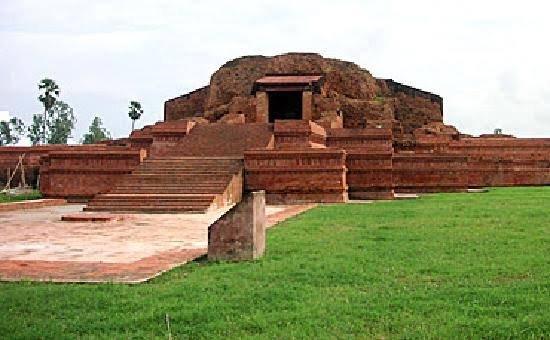
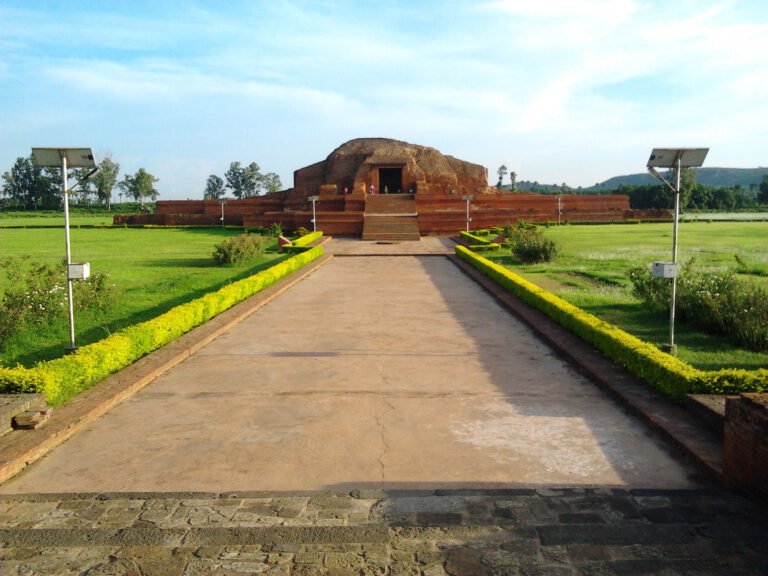
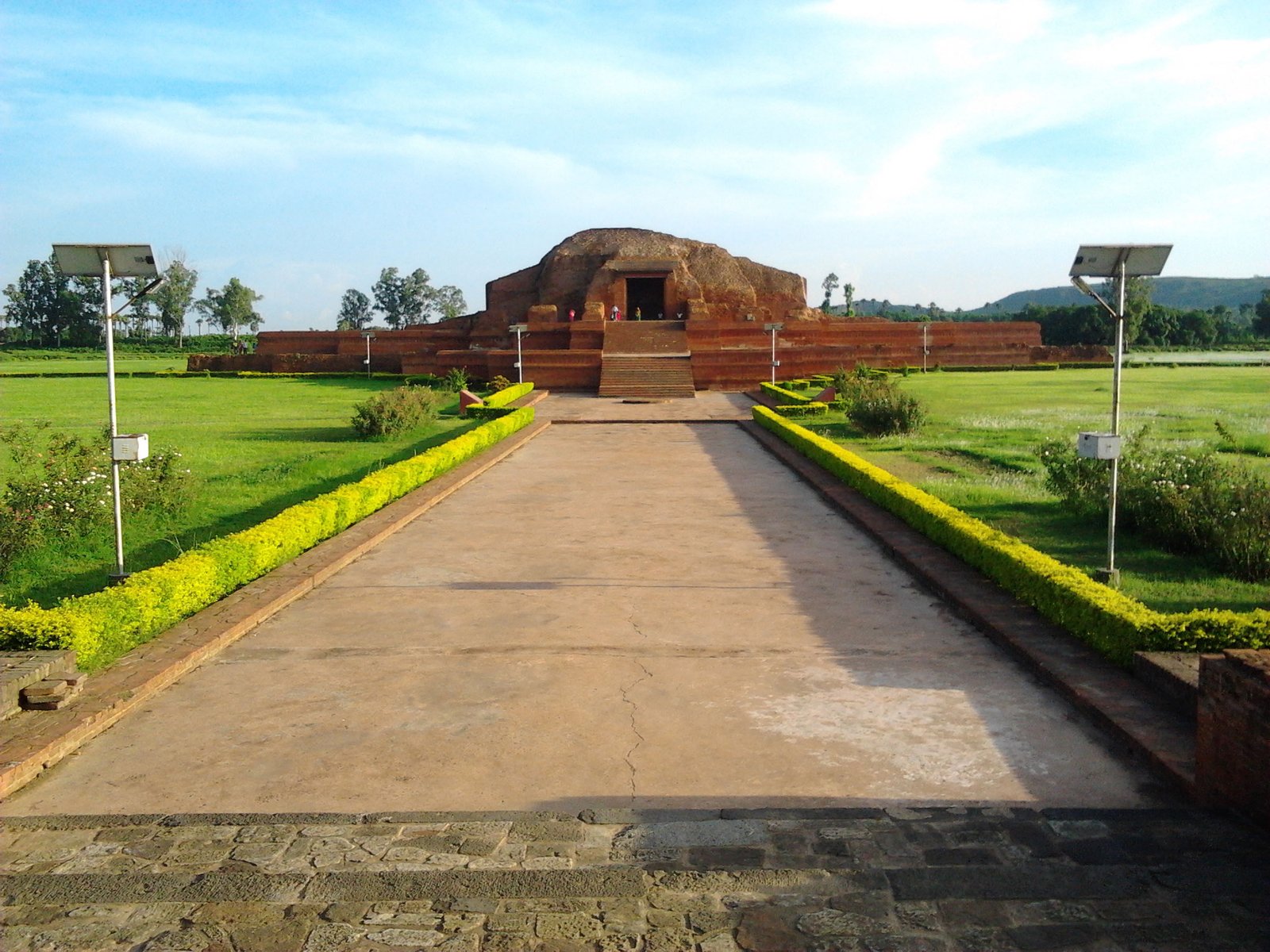
Bhagalpur also has an important place in India’s ancient educational history because of the ruins of Vikramshila University near Kahalgaon.
History of Bhagalpur
Bhagalpur has a long and diverse history connected with the ancient regions of Anga and Magadh as well as the wider history of eastern India.
The ancient region around present-day Bhagalpur was associated with Anga Mahajanapada, one of the sixteen Mahajanapadas mentioned in early Indian historical traditions. Champa, located in the Bhagalpur region, was an important ancient settlement and is associated with the history of Anga.
Over different periods, the region came under the influence of major dynasties and kingdoms. During the Pala period, the region became particularly important for Buddhist learning because of the establishment of Vikramshila University by King Dharmapala.
Vikramshila developed into one of the major centres of Buddhist scholarship in medieval India. Scholars from different regions travelled to the university to study Buddhist philosophy, logic, grammar and related subjects.
Bhagalpur later came under Mughal and British influence. Its position along the Ganga contributed to its growth as an administrative and commercial centre.
The district’s modern identity developed around its river-based economy, trade, handloom and silk production, education and administration.
Geography and Climate
Bhagalpur lies in the Ganga basin in eastern Bihar. The district is surrounded by Munger, Khagaria, Madhepura, Purnea, Katihar and Banka districts of Bihar, while Godda and Sahibganj districts of Jharkhand lie across the southern side of the broader regional landscape.
The Ganga is the most important geographical feature of the district. Its river plains support agriculture and contribute significantly to the region’s natural environment.
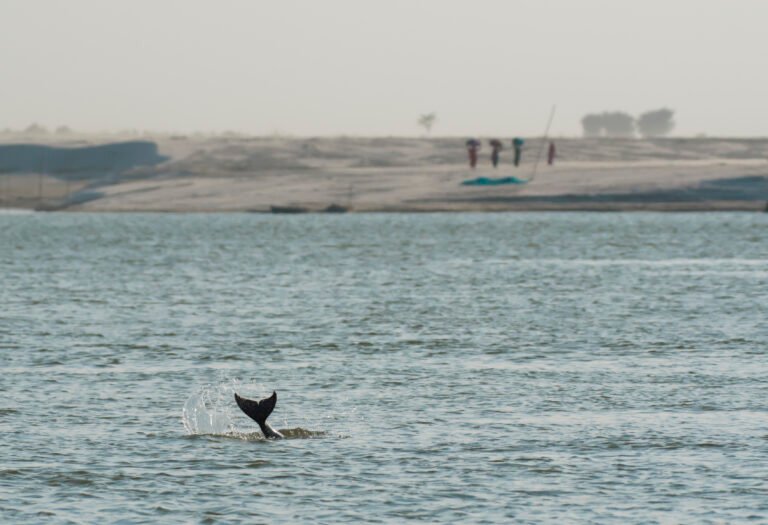
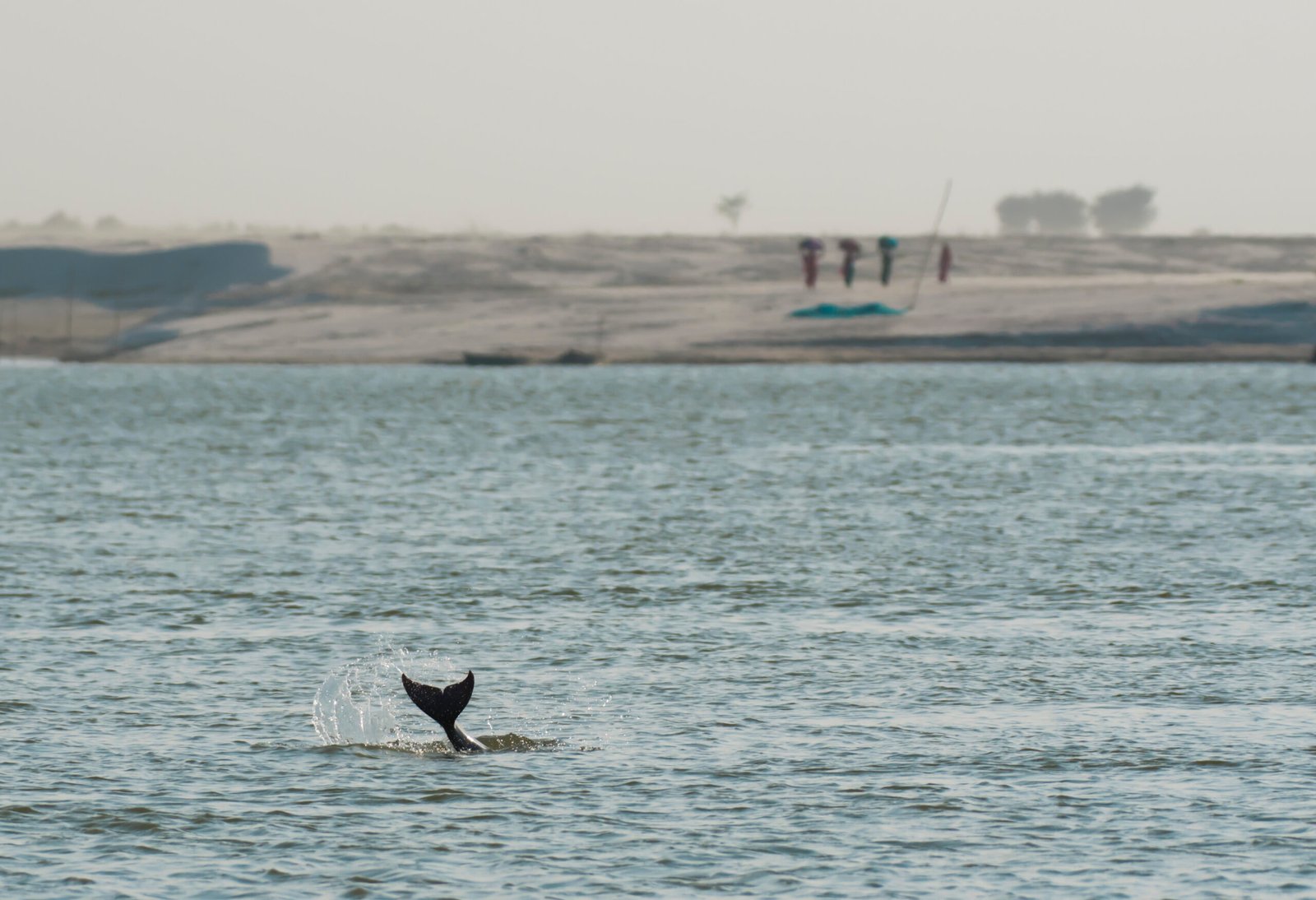
Bhagalpur has fertile agricultural land, mango orchards, litchi cultivation and extensive fields. The riverine environment also supports aquatic biodiversity, particularly around Kahalgaon and the Vikramshila Gangetic Dolphin Sanctuary.
The climate is generally hot during summer, humid during the monsoon and comparatively pleasant during winter. The period from October to March is usually more comfortable for sightseeing and outdoor exploration.
Administration
Bhagalpur is the headquarters of Bhagalpur district and Bhagalpur division.
The district is divided into three subdivisions:
- Bhagalpur Sadar
- Kahalgaon
- Naugachia
The district administration manages revenue, development, public services, disaster management, elections and other government functions.
According to the latest official Bhagalpur district Who’s Who page updated in August 2026, Ms. Alankrita Pandey is serving as the District Magistrate of Bhagalpur. The official directory lists the District Magistrate’s mobile number as +91-9473191381 and office location as Bhagalpur.
Silk Industry of Bhagalpur
Bhagalpur’s identity is strongly connected with silk production and handloom weaving.
The city earned the nickname Silk City because of its long-standing tradition of producing silk textiles. Bhagalpur silk is recognised for its distinctive texture, natural appearance and traditional weaving techniques.
Silk production supports a network of weavers, artisans, traders and small businesses. Traditional fabrics from the region include silk sarees, dupattas, scarves, dress materials and other handloom products.
The silk industry is not only an economic activity but also an important part of Bhagalpur’s cultural heritage. Visitors interested in traditional Indian textiles can explore local markets and handloom products to understand the craftsmanship associated with the region.
Culture and Heritage of Bhagalpur
Bhagalpur’s culture reflects the traditions of eastern Bihar and the historic Anga region.
Angika is an important regional language and forms a significant part of the area’s cultural identity. Hindi is widely used for administration and education, while Urdu and English are also used in different settings.
The district’s cultural heritage combines ancient history, religious traditions, handloom craftsmanship and river-based lifestyles.
Traditional festivals such as Chhath Puja, Diwali, Holi, Durga Puja, Eid and other religious celebrations are observed across the district.
The annual Shravani Mela at Sultanganj is particularly significant. During the pilgrimage season, devotees collect water from the Ganga at Sultanganj and undertake a long journey towards Deoghar in Jharkhand.
Religious Importance of Bhagalpur
Bhagalpur has several important religious destinations associated with Hinduism, Jainism and Buddhism.
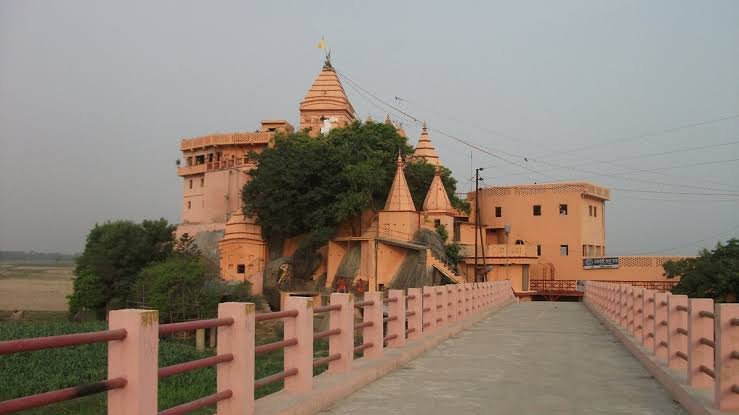
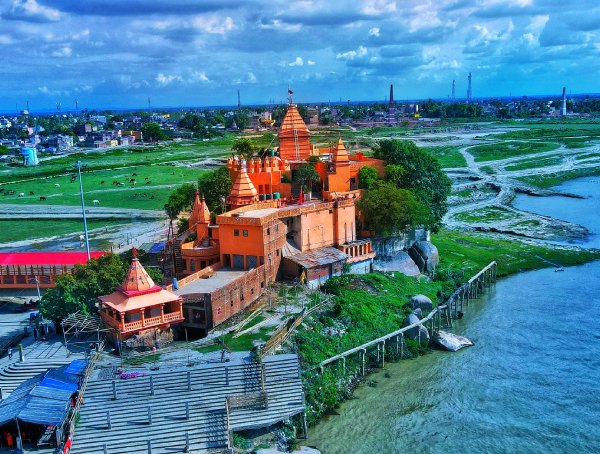
Ajgaibinath Temple at Sultanganj is one of the district’s prominent religious sites. Sultanganj is also an important starting point for the Kanwar pilgrimage during the Shravani period.
The Ganga at Sultanganj has particular religious significance because devotees collect sacred water here before beginning the Kanwar Yatra towards Baba Baidyanath Dham.
Bhagalpur is also associated with Jain heritage. Champapur Digamber Jain Siddha Kshetra is an important Jain pilgrimage site in the region.
The ruins of Vikramshila represent the district’s Buddhist heritage and its historical role as a centre of learning.
Tourism in Bhagalpur
Bhagalpur offers a combination of archaeological heritage, religious sites, river landscapes, wildlife and traditional crafts.
The Ruins of Vikramshila are among the district’s most important historical attractions. Located near Antichak in Kahalgaon subdivision, the archaeological site preserves the remains of the ancient Buddhist university founded during the Pala period. Bihar Tourism describes Vikramshila as a major centre of Buddhist learning and lists the best visiting period as September to April.
The Vikramshila Gangetic Dolphin Sanctuary provides a completely different tourism experience. The protected stretch of the Ganga between Sultanganj and Kahalgaon is known for Gangetic dolphins and birdlife. Bihar Tourism promotes activities such as boat rides, birdwatching and nature photography in the area.
Other attractions include Ajgaibinath Temple, Sultanganj, Champapur Jain Siddha Kshetra and the city’s silk markets.
Economy and Local Life
Bhagalpur’s economy is supported by agriculture, handloom and silk production, trade, tourism, fisheries and small businesses.
The fertile plains along the Ganga support the cultivation of various crops. Mango and litchi orchards are also an important feature of the district’s agricultural landscape.
The silk and handloom industry provides livelihoods for numerous artisans and families. Bhagalpur’s silk products are sold within Bihar and in markets across India.
Tourism also contributes to the local economy through hotels, restaurants, transportation, guides, religious services and local shopping.
Sultanganj’s religious tourism and the Shravani pilgrimage create seasonal economic activity, while Vikramshila and the dolphin sanctuary attract heritage and nature enthusiasts.
Education in Bhagalpur
Bhagalpur has developed into an important educational centre for eastern Bihar.
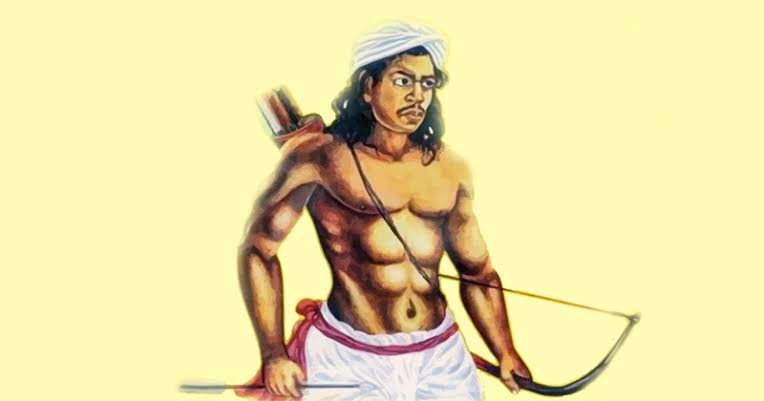
Tilka Manjhi Bhagalpur University is one of the major higher-education institutions in the district. The university and its affiliated colleges serve students from Bhagalpur and surrounding districts.
The city also has institutions offering education in science, arts, commerce, medicine, engineering, law and professional subjects.
The district’s educational importance is complemented by its historical connection with Vikramshila University, one of the renowned centres of Buddhist learning during the Pala period.
Famous Food of Bhagalpur
The food culture of Bhagalpur reflects the broader culinary traditions of Bihar and eastern India.
Popular foods and traditional preparations include:
- Litti Chokha
- Sattu Sharbat
- Chura-Dahi
- Thekua
- Khaja
- Tilkut
- Traditional fish preparations
- Seasonal vegetable dishes
- Local sweets
Because Bhagalpur lies along the Ganga and has a strong agricultural tradition, fish and locally grown produce also feature in regional cuisine.
Visitors can explore local markets and food stalls to experience traditional Bihari snacks as well as everyday regional meals.
How to Reach Bhagalpur
By Air
Bhagalpur does not currently have the same level of regular commercial air connectivity as major Bihar airports such as Patna and Gaya. Travellers generally use nearby operational airports and continue their journey to Bhagalpur by road or rail.
Nearest major airport option: Patna Airport
For international visitors travelling specifically to Bhagalpur, Patna can be used as a major air gateway, followed by train or road travel.
By Train
Bhagalpur Junction is an important railway station in eastern Bihar and provides rail connectivity with several major cities.
Nearest Railway Station: Bhagalpur Junction
The railway network makes Bhagalpur accessible from Patna, Kolkata, Delhi and other major cities.
By Road
Bhagalpur is connected by road with Patna, Munger, Purnea, Katihar, Banka, Khagaria and other cities of Bihar.
The Ganga-side highway corridors also connect Bhagalpur with neighbouring regions.
Nearest Bus Stand: Bhagalpur Bus Stand
Best Time to Visit Bhagalpur
The best time to explore Bhagalpur is generally from October to March, when temperatures are more comfortable for sightseeing.
The winter season is especially suitable for visiting Vikramshila and exploring the riverine environment around the Vikramshila Gangetic Dolphin Sanctuary.
Visitors interested in religious tourism may also plan a trip to Sultanganj during the Shravani Mela, although this is one of the busiest periods in the region.
For wildlife and nature enthusiasts, the cooler months can provide better conditions for river excursions and birdwatching.