About Gaya District
Gaya is located in south-central Bihar and is one of the most prominent districts of the historic Magadh region. The district headquarters is Gaya city, while Bodh Gaya, located nearby, is one of the world’s most important Buddhist pilgrimage destinations.
The district covers an area of approximately 4,976 square kilometres. According to Census 2011 figures published by the Gaya district administration, the district had a population of more than 43 lakh people.
Gaya has a unique religious identity because it is important to followers of both Hinduism and Buddhism. For Hindus, Gaya is traditionally associated with Pind Daan and ancestral rituals performed at sacred locations around the Falgu River and Vishnupad Temple. For Buddhists, Bodh Gaya is revered as the place where Gautama Buddha attained enlightenment beneath the Bodhi Tree.
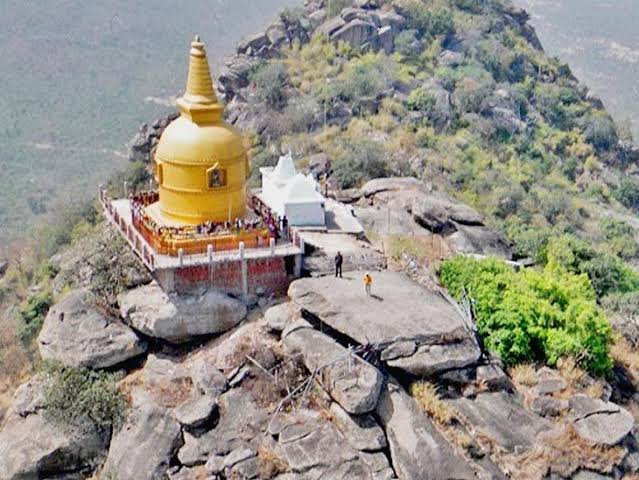
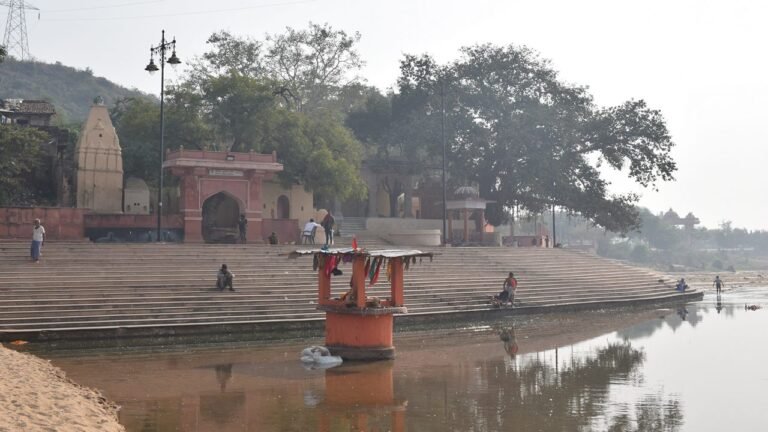
The landscape of Gaya combines plains, rocky hills, rivers and historic settlements. The Falgu River is closely connected with the religious identity of Gaya city, while hills such as Brahmayoni, Ramshila, Mangla Gauri and Pretshila form prominent geographical and pilgrimage landmarks.
History of Gaya
Gaya has a history extending back to the ancient Magadh civilisation. The region finds references in Hindu religious traditions and has also been associated with the development and spread of Buddhism.
According to the traditional account preserved by the district administration, the name Gaya is connected with Gayasur, a powerful figure from Hindu mythology whose story is associated with the sacredness of the Gaya region.
Gaya was historically part of the wider Magadh region and later came under different political powers. Following the Battle of Buxar in 1764, the area came under British control.
Until 1864, Gaya formed part of the district of Behar and Ramgarh. On 3 October 1865, Gaya was given the status of an independent district. The original district was considerably larger than present-day Gaya. Over time, areas were separated to form districts such as Aurangabad, Nawada and Jehanabad.
In May 1981, the Bihar government created Magadh Division with Gaya as its headquarters. The division later expanded to include five districts: Gaya, Nawada, Aurangabad, Jehanabad and Arwal.
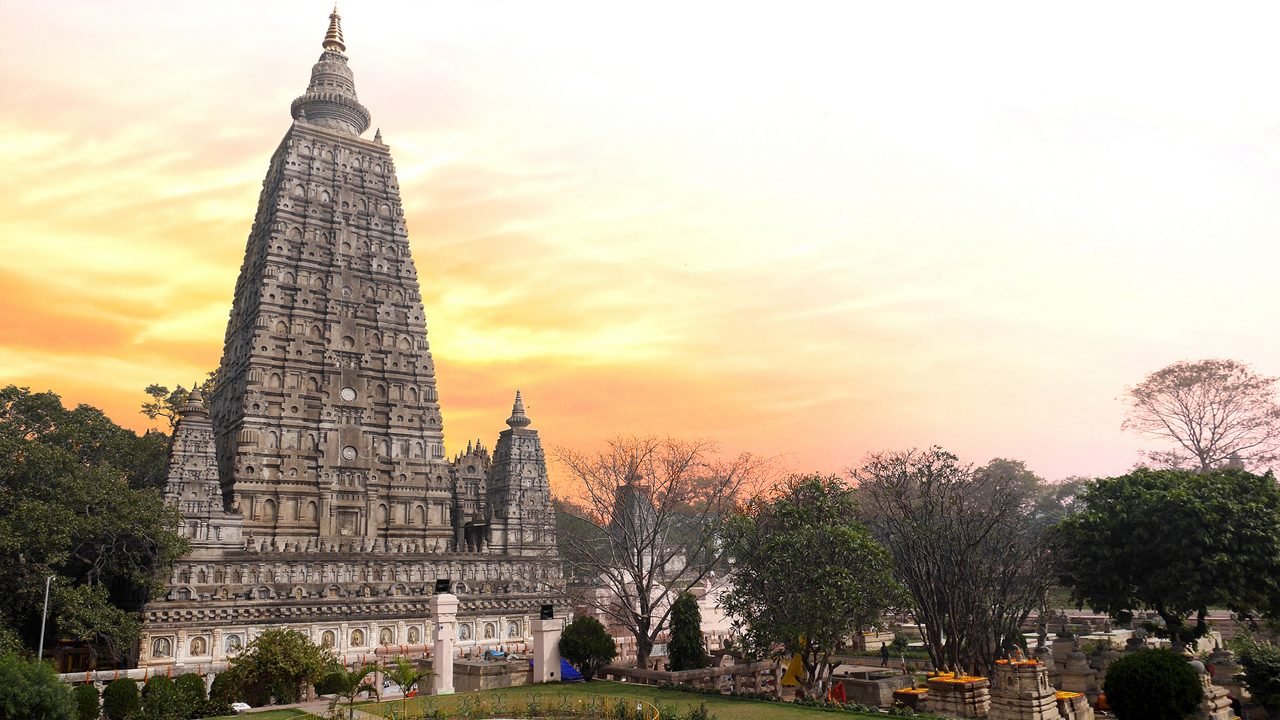
Gaya’s history is also inseparable from Bodh Gaya, where Gautama Buddha is believed to have attained enlightenment. The Mahabodhi Temple complex preserves this Buddhist heritage and was declared a UNESCO World Heritage property in 2002.
Geography and Climate
Gaya lies in the southern part of Bihar and shares a boundary with Jharkhand towards the south. The district has a varied landscape consisting of agricultural plains, rocky terrain, hills, rivers and forested areas.
The Falgu River is the most significant river associated with Gaya city. The river has deep religious importance, particularly during ancestral rituals and Pind Daan ceremonies.
Several hills surround and define the landscape around Gaya city. Brahmayoni Hill, Ramshila, Pretshila and Mangla Gauri are not only geographical features but also important religious destinations.
Gaya experiences a hot summer, a monsoon season and relatively cooler winters. Summer temperatures can become quite high, while the winter months provide more comfortable conditions for sightseeing.
For tourists, the cooler period between October and March is generally suitable for exploring Gaya, Bodh Gaya and nearby heritage destinations.
Administration
Gaya is the headquarters of Magadh Division as well as Gaya district. The district is divided into four subdivisions: Gaya Sadar, Neemchak Bathani, Sherghati and Tekari.
The district administration is responsible for revenue administration, development programmes, law and order coordination, disaster management, elections and delivery of government services.
According to the latest information displayed on the official Gaya district website, Shri Shashank Shubhankar, IAS is serving as the District Magistrate of Gaya.
The official district contact directory lists the District Magistrate’s office at the Collectorate Building, Gaya – 823001.
Religious Importance of Gaya
Gaya holds an exceptional place in India’s religious geography.
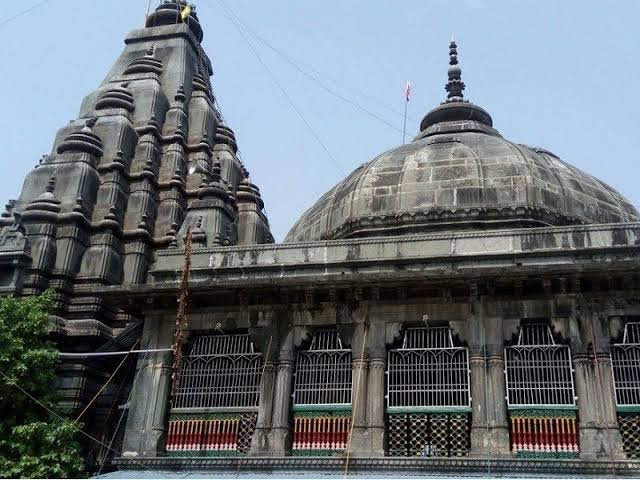
For Hindu devotees, Gaya is one of the most important destinations for Pind Daan, a traditional ancestral ritual performed for the spiritual well-being of departed family members. Vishnupad Temple, Falgu River, Akshayavat and Sita Kund are closely associated with these traditions.
Gaya is also connected with the Ramayana tradition. According to religious belief, Lord Rama visited Gaya with Sita and Lakshmana to perform Pind Daan for his father, King Dasharatha.
The Buddhist importance of the district is centred on Bodh Gaya. Gautama Buddha is believed to have attained enlightenment under the Bodhi Tree, making the Mahabodhi Temple complex one of the most important Buddhist pilgrimage sites in the world.
This combination of Hindu and Buddhist heritage gives Gaya a distinctive cultural identity that attracts pilgrims and travellers from across India and around the world.
Tourism in Gaya
Tourism in Gaya is largely shaped by its religious, historical and cultural attractions. The district is part of important pilgrimage circuits and attracts visitors throughout the year.
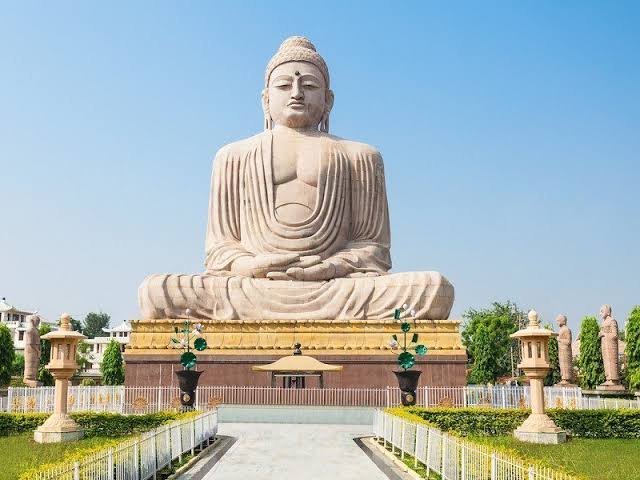
Bodh Gaya is the international face of Gaya’s tourism. The Mahabodhi Temple, Bodhi Tree, Great Buddha Statue and numerous monasteries established by Buddhist communities from different countries make Bodh Gaya a global pilgrimage centre.
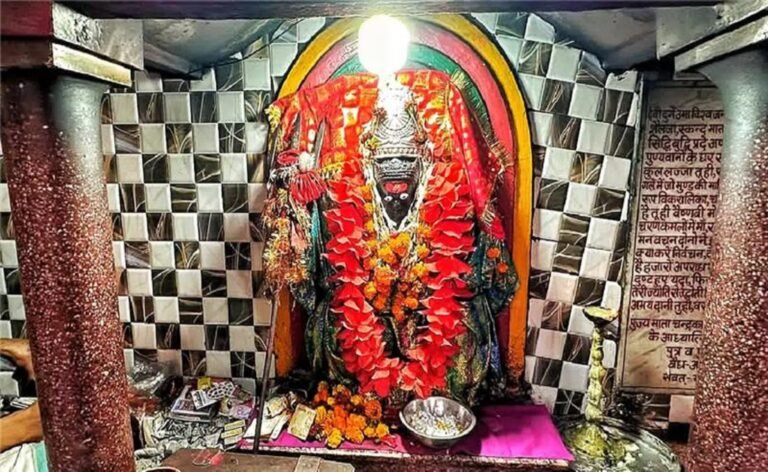
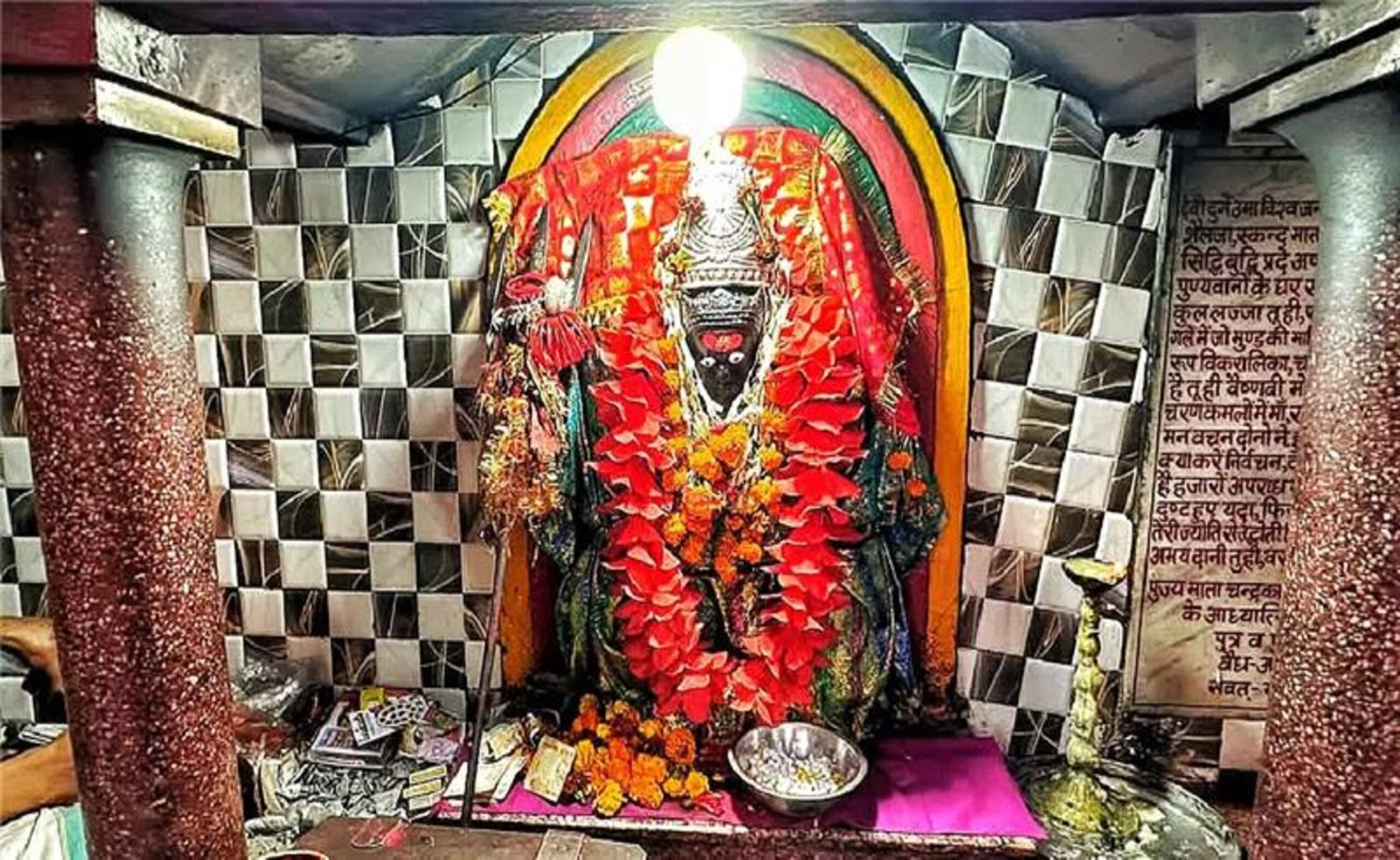
Gaya city itself is famous for Vishnupad Temple and the traditional Pind Daan pilgrimage. Other important attractions include Mangla Gauri Temple, Akshayavat, Pretshila, Sita Kund and Brahmayoni.
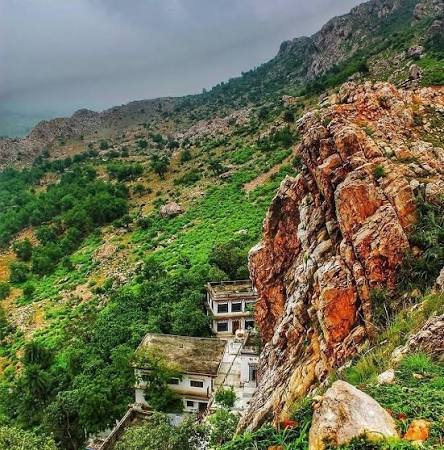
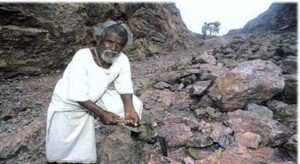
The district also has lesser-known destinations such as Dungeshwari Hills, Gurpa Hill, Kurkihar and Dashrath Manjhi Memorial, making Gaya suitable for visitors interested in history, spirituality, culture and heritage.
Economy and Local Life
Agriculture remains an important part of the rural economy of Gaya. The district’s agricultural landscape supports crops suited to the region’s climate and soil conditions.
Tourism and pilgrimage are also major contributors to the local economy. Hotels, restaurants, transport services, travel operators, religious services, handicrafts and small businesses benefit from the large number of pilgrims and tourists visiting Gaya and Bodh Gaya.
Gaya city has developed as an important commercial and administrative centre for southern Bihar. Bodh Gaya additionally has an international tourism economy supported by monasteries, hotels, restaurants, guides, transport providers and cultural services.
The district’s location near Jharkhand and its position within Magadh also contribute to its importance as a regional centre for trade and transportation.
Education in Gaya
Gaya has a significant educational presence within southern Bihar. The district is home to institutions serving students from Gaya as well as neighbouring districts.
Magadh University, located in Bodh Gaya, is one of the important higher-education institutions associated with the region.
The district also has colleges and institutions providing education in arts, science, commerce, professional studies, engineering and other fields.
Bodh Gaya’s international character also creates opportunities for learning and cultural exchange connected with Buddhist studies, philosophy, languages and heritage.
Culture and Heritage of Gaya
Gaya’s culture reflects the traditions of Magadh as well as the religious communities that have shaped the region over centuries.
Hindu religious traditions are particularly visible during Pind Daan ceremonies, Pitru Paksha and major festivals. During the annual Pitru Paksha period, large numbers of pilgrims visit Gaya to perform ancestral rituals.
Bodh Gaya adds a strong international Buddhist cultural influence to the district. Monasteries and temples established by communities from Thailand, Japan, Bhutan, Tibet, Myanmar, China and other Buddhist regions contribute to the distinctive cultural landscape.
Local traditions also include folk music, regional cuisine and festivals celebrated throughout the district.
Famous Food of Gaya
The food culture of Gaya reflects traditional Magadhi and wider Bihari cuisine.
Popular foods and snacks associated with the region include:
- Litti Chokha
- Sattu-based dishes
- Khaja
- Tilkut
- Thekua
- Sattu Sharbat
- Chura-Dahi
- Traditional seasonal vegetables
- Local sweets
Tilkut is particularly associated with Gaya and is widely recognised as one of the region’s traditional sweet preparations. It is generally prepared using sesame seeds and sugar or jaggery.
Visitors can also find a wide range of vegetarian food around Bodh Gaya because of the large number of Buddhist pilgrims and international tourists.
How to Reach Gaya
By Air
Gaya has its own airport, Gaya International Airport, which is particularly important for pilgrims and international visitors travelling to Bodh Gaya.
The airport is located close to Bodh Gaya and provides an important gateway for Buddhist tourism.
Nearest Airport: Gaya International Airport
By Train
Gaya Junction is one of the major railway stations serving southern Bihar. It is connected to important cities across India and is located on an important railway route.
Nearest Railway Station: Gaya Junction
By Road
Gaya has road connectivity with Patna, Bodh Gaya, Nalanda, Rajgir, Aurangabad, Nawada, Jharkhand and other important destinations.
Regular buses, taxis, auto-rickshaws and private vehicles are available for local and intercity travel.
Nearest Bus Stand: Gaya Bus Stand
Best Time to Visit Gaya
The best time to visit Gaya is generally between October and March, when the weather is more suitable for sightseeing and outdoor activities.
The winter season is particularly popular among tourists visiting Bodh Gaya and pilgrims travelling to Gaya for religious purposes.
The Pitru Paksha period is one of the busiest times in Gaya because pilgrims from different parts of India arrive to perform Pind Daan and other ancestral rituals.
Bodh Gaya also attracts large numbers of Buddhist pilgrims during important Buddhist religious occasions.